
Q&A

Beyond weight loss: Lilly aims for leadership in brain science
Riding on the strong momentum of its GLP-1 obesity and diabetes drugs, Eli Lilly has become the sales leader in the pharmaceutical industry. However, the company is expanding its drug pipeline through an aggressive investment strategy to solidify its top position. Evaluate reports project its annual sales could reach $137 billion by 2032. In the neuroscience field, Eli Lilly not only has the approved Alzheimer's drug Kisunla but is also exploring early intervention, tau protein targeting, and the new subcutaneous injection drug remternetug. Dr. Carole Ho, President of Neuroscience, outlines the company's ambitious blueprint to move from treatment to prevention.
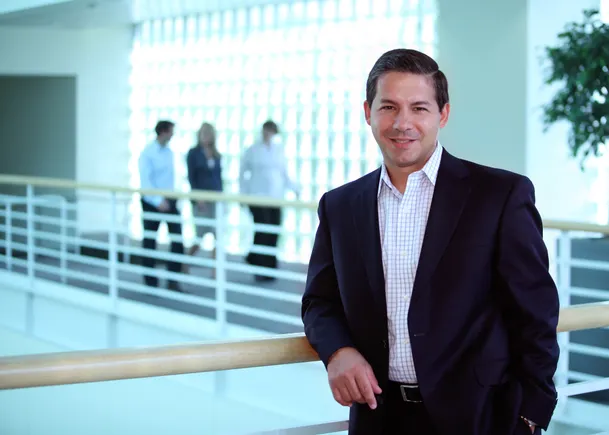
With a promising MASH asset, muscle-sparing GLP-1 and new CEO, Rivus gets ready to make its mark
Rivus Pharmaceuticals is transitioning from a research-stage biotech, with new CEO Jorge Bartolome leading the global Phase III trial of MASH candidate HU6 while advancing muscle-sparing oral GLP-1 RV-8451 into the clinic. The company faces a competitive MASH and GLP-1 market but emphasizes its differentiated advantages.
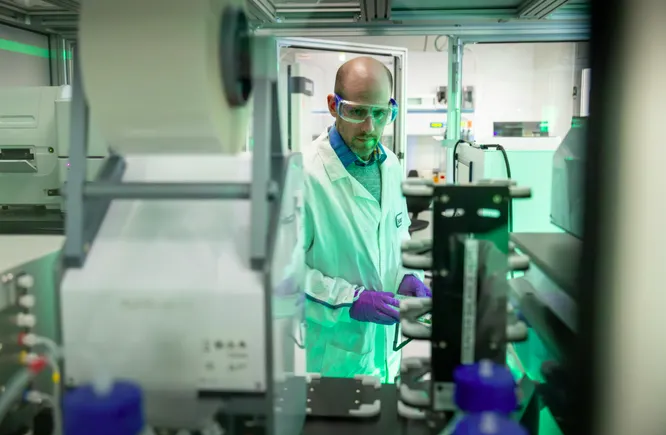
In Alzheimer’s, Bristol Myers sees big promise beyond amyloid
Bristol Myers Squibb is actively expanding its neuroscience field, particularly in Alzheimer's disease treatment. Company executives have stated they will go beyond amyloid targets to explore new mechanisms such as tau protein and neuroinflammation. Meanwhile, clinical trial results for its schizophrenia drug Cobenfy in Alzheimer's disease-related psychosis are highly anticipated.

China’s biotech rise sparks new US industry alliance
The American Biotech Innovation Alliance (ABIA) was founded this month in Washington by Patroski Lawson, CEO of the biotech lobbying firm KPM Group. Positioned as a think tank rather than a traditional industry association, the alliance aims to develop a national strategy for U.S. biotechnology. It currently includes about 30 companies, such as Moderna and Rocket Pharmaceuticals. The alliance plans to complete a strategic report by 2028 and influence presidential campaign policies.

Former Ovid CEO Dr. Jeremy Levin’s rallying cry for biotech
Dr. Jeremy Levin, former CEO of Ovid Therapeutics, issues a call to arms in his new book "Biotech in the Balance," urging the biotech industry to establish an independent identity, distance itself from the controversies facing big pharma, and urging legislators to view biotech as a strategic asset. He warns that without timely policy adjustments, innovative capital will flow to places like China.

Former Acorda CEO Ron Cohen joins Parkinson's cell therapy startup Oryon
Former Acorda Therapeutics CEO Ron Cohen, after Acorda's bankruptcy, has joined Oryon Cell Therapies, a startup focused on autologous cell therapy for Parkinson's disease. Oryon emerged from stealth mode on Monday (original date) with $42 million in funding. In an exclusive interview, Cohen shared his confidence in autologous cell therapy, his assessment of Oryon's data, and his views on the Parkinson's disease treatment market.

Biotech market winter gradually recedes, venture capital shows early signs of recovery
After the COVID-19 bubble burst and years of financing winter, the biotech industry is showing signs of recovery. Omar Khalil, Managing Director of Santé Ventures, states that the rebound in public market valuations, pharmaceutical companies' renewed focus on early-stage assets, and a shift in investor sentiment are jointly driving the industry toward spring.
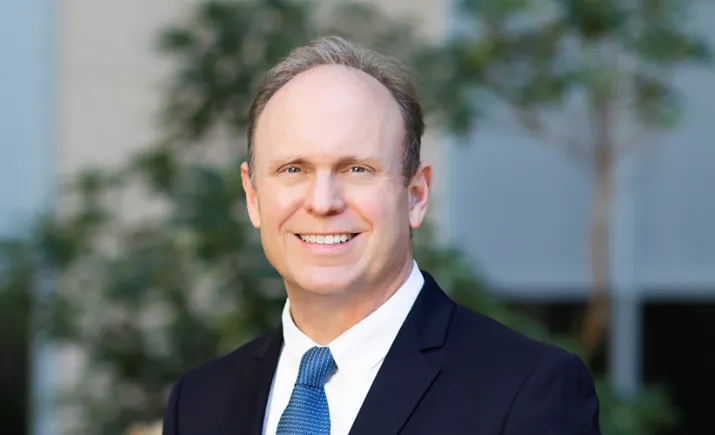
Precision cancer detection technology continues to evolve, providing key guidance for pharmaceutical R&D
On the eve of Abbott's announcement of a $21 billion acquisition, Exact Sciences launched Riskguard, a hereditary cancer test, and deepened collaborations with pharmaceutical companies in precision oncology. This article interviews Dr. Rick Baehner, Chief Medical Officer of Precision Oncology, to explore how genetic testing is reshaping the breast cancer diagnosis and treatment landscape, driving targeted therapy development, and helping healthcare systems save billions of dollars.

Ovid takes another big swing in neuroscience under a new CEO
Under the leadership of new CEO Meg Alexander, Ovid Therapeutics continues to advance first-in-class drug development in neuroscience, betting on innovative directions such as the KCC2 target despite past setbacks.

FDA Politicization Reaches Unprecedented Depths, Experts Warn of Long-Term Impact
The U.S. Food and Drug Administration (FDA) is experiencing an unprecedented wave of politicization. Genevieve Kanter, an associate professor of public policy at the University of Southern California, points out that compared with previous administrations, the current comprehensive overhaul of the agency's personnel, expert panels, and review processes has pushed political control to new heights. The integrity concerns in reviews raised by the commissioner's priority review voucher pilot program, the erosion of professional expertise due to staff attrition, and changes to the external advisory mechanism together constitute the main short-term risk points. In the long term, experts worry about a decline in the quality of drug approvals, companies redirecting resources toward lobbying rather than R&D, and permanent damage to public trust.