
Policy & Regulation
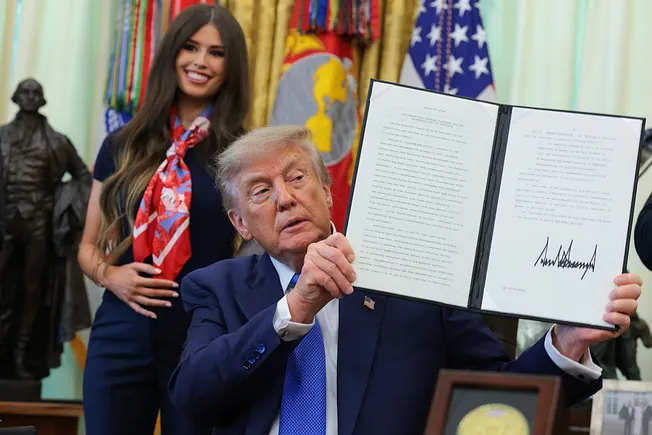
Trump signs order seeking to upend childhood vaccine schedule
President Trump signed an executive order attempting to change the long-standing U.S. childhood immunization schedule, reducing universally recommended vaccines from 17 to 11 and requiring the MMR vaccine to be split into separate doses. The order provides no new scientific evidence, contradicts established scientific consensus, and its legal authority is unclear. Organizations such as the American College of Physicians have expressed concern, and Senate Health Committee Chairman Cassidy publicly criticized it. Earlier reform attempts by HHS Secretary Kennedy had been blocked by courts.
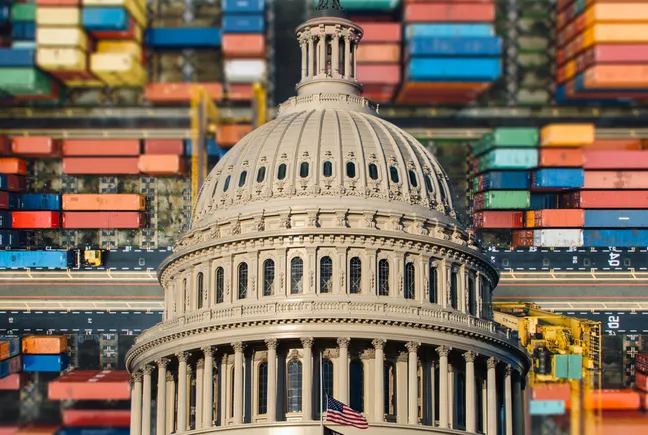
Large pharmas skirt tariffs; BMS’ dealmaking drought
The U.S. imposes 100% tariffs on brand-name drugs, but 17 large pharma companies with localization plans and most-favored-nation pricing agreements with the government are exempt; generics may face 200% tariffs in the future. BMS CEO says there is no urgency for M&A, with the year's largest deal being a 13-project collaboration with Hengrui Medicine. Merck lowered its 2026 profit guidance due to one-time costs from the Terns acquisition, but Keytruda performed strongly.
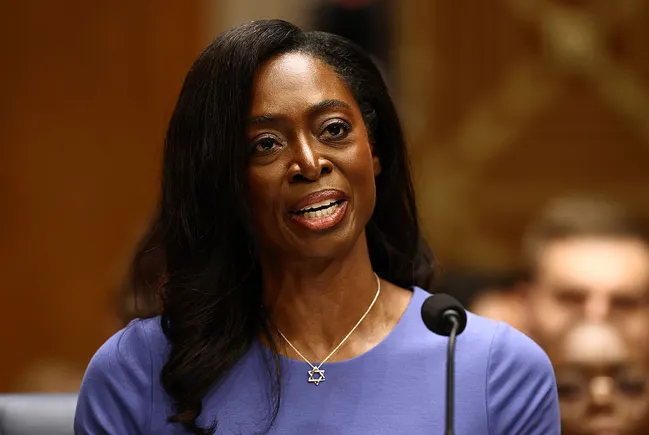
What the AstraZeneca-BMS rumors reveal about pharma megamergers
This week, merger rumors between Bristol-Myers Squibb and AstraZeneca shook the pharmaceutical industry, as a potential deal would form a global giant with a market value of about $400 billion. Although talks have reportedly been paused, the event highlights the strategic considerations of large pharmaceutical companies amid patent cliffs, pipeline development, and the regulatory environment. Analysts note that BMS faces a growth gap of approximately $38 billion, while AstraZeneca could potentially strengthen its R&D capabilities through the merger. The stance of the U.S. Federal Trade Commission remains a key variable.

Genetic Clues Reveal Cell Therapy Toxicity Risks; Summit Faces Key FDA Decision
This week, PharmaVoice highlights three major developments: a new study based on Yescarta clinical trial data identifies genes associated with cytokine toxicity, offering clues for designing safer CAR-T therapies; Summit's bispecific antibody ivonescimab has about a 67% probability of FDA approval on the Kalshi prediction market; additionally, Curium is reportedly in advanced talks to acquire Lantheus for approximately $7 billion.
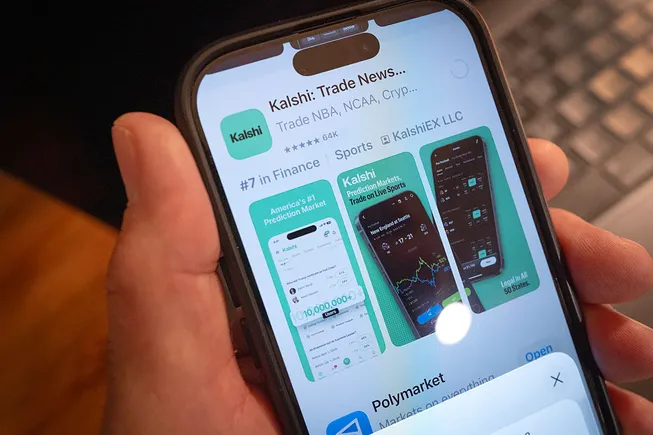
Kalshi expands online betting to drug development — unless opponents can stop it
Kalshi launched a pilot this month, bringing prediction markets to drug development, allowing users to bet on clinical trials, FDA decisions, and drug approvals for companies like Sanofi and Gilead Sciences. Supporters such as CFTC Chairman Mike Selig believe it can help patients manage risk, but drug development professionals and analysts warn it may lead to issues like insider trading, market manipulation, and declining public trust. Opponents have launched a petition urging regulators to ban such betting.

FDA Goes All In on AI: Will Policy Direction Shift?
The survival of artificial intelligence at the FDA is no longer in doubt, but with the departure of its biggest champion, former Commissioner Makary, the path of integration and evolution may no longer be linear. Acting Commissioner Diamantis says AI remains a priority, but the successive departures of key figures such as the Chief AI Officer have raised questions about implementation prospects. Industry experts point out that the FDA's internal AI governance structure remains unclear and may revert to a decentralized departmental model; meanwhile, AI policies for sponsors have not loosened. Based on multiple sources, this article analyzes the evolution of the FDA's internal AI tool Elsa, transparency gaps, and future policy balance challenges.

Eli Lilly Enters Psychedelics Field, Peptide Drugs Become Focus
This week's industry news: Eli Lilly acquires AtaiBeckley for $2.8 billion, deepening its neuroscience strategy and potentially prompting major pharma companies to follow in psychedelics R&D; HHS Secretary Kennedy promotes compounding of peptide drugs, raising safety concerns among the scientific community; the Ebola outbreak (Bundibugyo strain) in the Democratic Republic of Congo persists, with mixed vaccine strategies and experimental therapies entering clinical trials.
What Does the FDA's Latest Batch of Complete Response Letters Reveal?
After a three-month pause, the FDA reissued a batch of Complete Response Letters (CRLs) on July 10, totaling 14 letters. According to an analysis by Pink Sheet, a Citeline publication, most rejection reasons involved product quality and facility deficiencies, with only three pointing to clinical issues. This article focuses on two of them: Ascelia Pharma's oral MRI contrast agent Orviglance was rejected due to issues with clinical image assessment methods, and Galderma's RelabotulinumtoxinA was rejected again due to facility deficiencies.