
Manufacturing
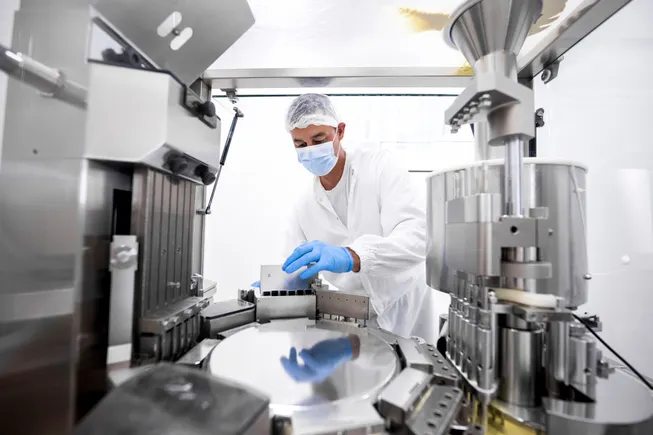
The hidden scale-out problem behind CAR-T’s growth
Behind the rapid growth of autologous CAR-T therapies (such as Carvykti) lies a fundamental challenge: each dose corresponds to one patient, so growth means continuously replicating individualized manufacturing processes rather than increasing output per batch. Legend Biotech and Johnson & Johnson's capacity expansion in Raritan, New Jersey, along with a 99% manufacturing success rate and a median turnaround time of 29 days, highlights the difficulty of maintaining reliability at scale. Industry experts point out that automation, closed processing, and early process design are critical, while next-generation technologies such as in vivo CAR-T may simplify this chain.
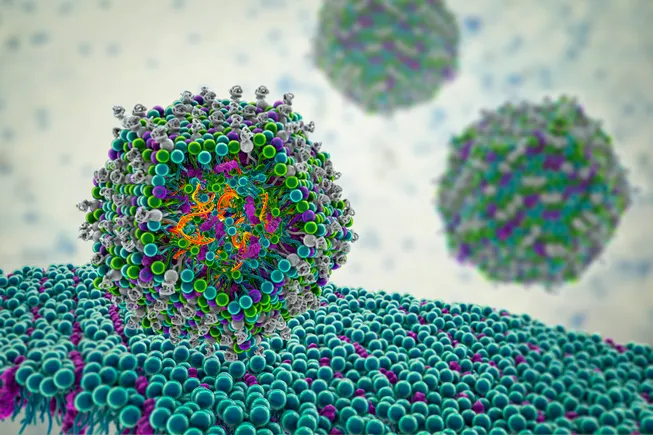
FDA nod is just the first hurdle for Moderna’s potential blockbuster flu vax
Moderna's mFlusiva received FDA approval for adults 50 and older, becoming the first mRNA flu vaccine in the U.S. Despite phase 3 efficacy of 26.6% over standard flu shots, the company faces significant market and regulatory challenges, including strain selection timing and missed contracting cycles.
BMS builds big in Texas; Regeneron backs would-be rival
This week's industry briefing covers BMS's $2.3 billion Houston manufacturing investment as part of a $40 billion U.S. commitment, Regeneron's venture backing of Infinimmune's $75 million Series A for Dupixent competitors, and Eli Lilly's capture of 61% of the U.S. GLP-1 market in the latest quarter.
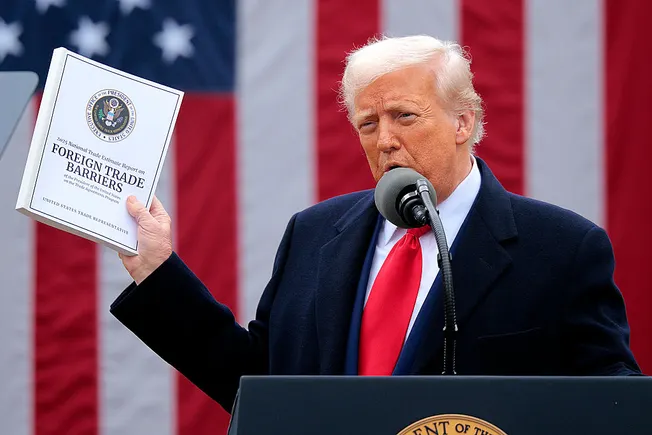
Trump has another tariff plan to reshore generic drug production. Will it work?
U.S. President Trump once again threatened the pharmaceutical industry with tariffs, announcing plans to impose a 100% tariff on generic drugs manufactured outside the U.S. starting August 1, 2028, increasing to 200% the following year. The proposal has not yet been formally announced. Tinglong Dai, a professor at the Johns Hopkins Carey Business School, believes that the conditions that have long hindered domestic production of generic drugs remain largely unchanged, and this plan may only raise drug prices without facilitating factory reshoring. Data shows that over 90% of daily medications used by Americans are generic drugs, with more than 80% of their active pharmaceutical ingredients (APIs) sourced from overseas. A study involving Dai indicates that a 100% tariff on generic drug APIs could raise prices of related drugs by up to 30%.

Beyond Boston: Unlikely cities stake biotech claims
For decades, Boston and Cambridge have been synonymous with the biotech industry, but now, as the Greater Boston area experiences layoffs and a wave of vacant labs, nontraditional cities like Lancaster County, Pennsylvania, Oklahoma City, and Las Vegas are accelerating the development of biotech ecosystems through their manufacturing foundations, government investments, and educational institutions, becoming emerging hubs worth watching.
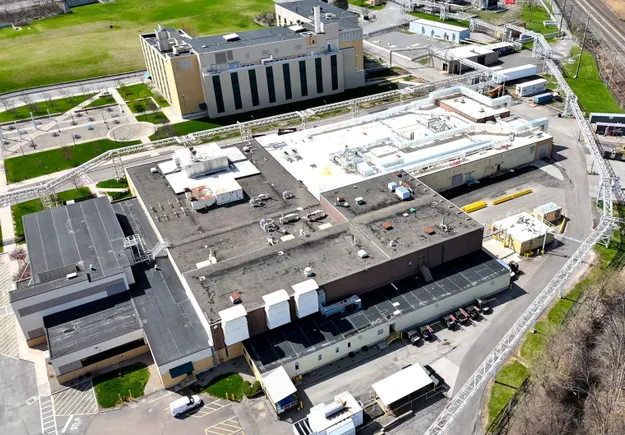
Does US manufacturing give drugmakers a speed edge?
After receiving a Complete Response Letter from the FDA, Aquestive Therapeutics quickly resolved issues because its manufacturing facility is located in the U.S., and plans to resubmit its application in the third quarter. This case sparks discussion on the speed advantage of domestic manufacturing, but cost, talent, and supply chain risks remain challenges.

India’s pharma industry is going global. But can it catch up to China?
Sun Pharmaceutical, India's largest drugmaker, acquired Organon for $11.75 billion, showcasing its global ambitions. However, experts believe that India still lags behind China in biopharmaceutical innovation, with insufficient infrastructure and capital being major obstacles.

Tariffs Make a Comeback: New Shock and Response for the Pharmaceutical Industry
After the U.S. Supreme Court rejected the Trump administration's tariffs in February, the White House announced in April the imposition of 100% tariffs on patented drugs and active ingredients under Section 232 of the Trade Expansion Act of 1962, subjecting the pharmaceutical industry to renewed supply chain and cost pressures.
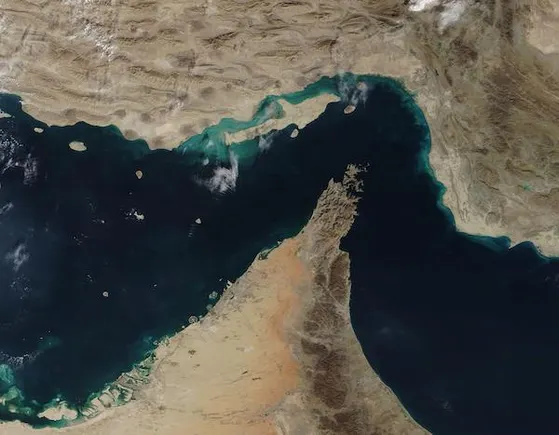
Trump's War on Iran Disrupts Pharmaceutical Shipping Options
The strikes by the US and Israel on Iran have left the Strait of Hormuz blockaded, affecting approximately 10% of global pharmaceutical shipments, with time-sensitive drugs impacted at a rate of 20%. Pharmaceutical companies are forced to adjust their supply chains, and experts warn that developing countries will be hit harder, urging the industry to enhance cooperation and geographic diversification.
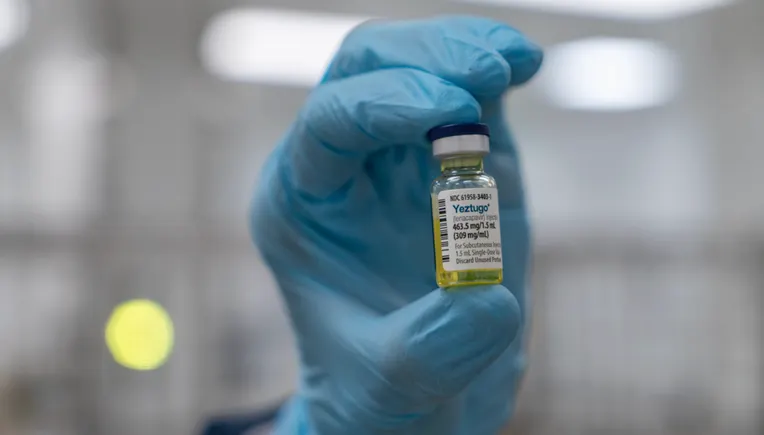
Gilead's New HIV Prevention Drug Yeztugo: Hope and Challenges in Ending AIDS
Gilead Sciences' HIV prevention drug Yeztugo (lenacapavir) has received FDA approval, demonstrating 100% efficacy in clinical trials. Despite obstacles such as funding cuts and cultural stigma, the company is advancing large-scale distribution through a global partner network, aiming to reach 2 million people over the next three years.