
Trump's War on Iran Disrupts Pharmaceutical Shipping Options
The strikes by the US and Israel on Iran have left the Strait of Hormuz blockaded, affecting approximately 10% of global pharmaceutical shipments, with time-sensitive drugs impacted at a rate of 20%. Pharmaceutical companies are forced to adjust their supply chains, and experts warn that developing countries will be hit harder, urging the industry to enhance cooperation and geographic diversification.
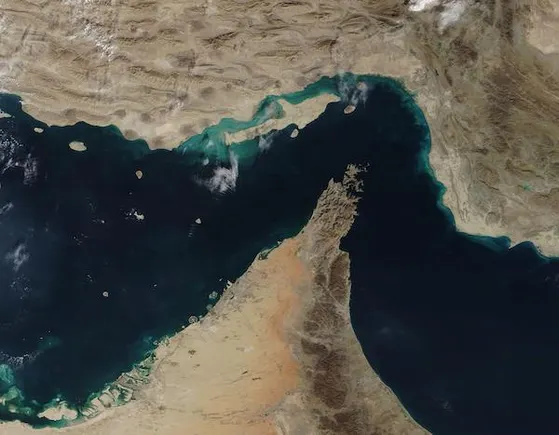
The military strikes by the United States and Israel against Iran have brought this Middle Eastern country to the brink of collapse. However, Tehran still firmly controls the Strait of Hormuz—a vital international shipping lane for numerous industries, including the pharmaceutical sector.
This Persian Gulf waterway is currently at the center of negotiations to end the conflict. U.S. President Donald Trump has demanded that Iran open the strait or face further airstrikes. Although Iran has allowed some Chinese vessels to pass, the strict blockade has been one of the country's most powerful bargaining chips since the war broke out in February.
The blockade affects not only maritime shipping but also air and land transport, forcing numerous industries to scramble for alternative shipping routes. With the strait closed—which typically handles about one-fifth of the global oil supply—oil prices have surged significantly.
The pharmaceutical industry has also had to rethink its production and shipping strategies to ensure medicines reach their destinations, according to Alex Guillen, a global life sciences and pharmaceutical industry expert at Tive, a Boston-based cargo tracking and logistics company.
"The Strait of Hormuz has been one of the most heavily invested regions in logistics—possibly one of the most invested in the history of east-west cargo transport," Guillen said. "It's a focal point not just for pharma but for all industries."
Guillen noted that about 10% of the world's pharmaceuticals are transported via Persian Gulf shipping and air routes. More critically, time-sensitive, temperature-controlled active pharmaceutical ingredients and medicines shipped through the region account for about 20% of that specific global market.
Even if the situation in Iran calms and the waterway reopens, Guillen worries that investors will think twice in the future about the safety of relying on these routes. For pharmaceutical companies navigating the changes, the path forward requires adaptability and diversification.
Delays and Disruptions
Guillen said that pharmaceuticals are a high-risk category among products shipped through the Gulf.
"If you're shipping a television and it's delayed, the consequence is just that someone gets their TV late," Guillen said. "But when it comes to life-saving, time-critical medicines, a delay isn't just a delay—it can affect the quality and integrity of the drug, ultimately harming patients."
Now, pharmaceutical giants with millions of tons of inventory in the Gulf region need to explore new routes to reduce risk. But the pharmaceutical industry is highly regulated, leaving limited options, Guillen said. Moreover, the impact of shipping delays and disruptions is not equal across all regions, with developing countries often bearing a heavier burden.
"The issue is that when such disruptions occur, wealthy industrialized nations are affected by about 4% or 5% because they can find alternatives," Guillen said. "The ones truly affected are poorer countries that can't quickly strike deals—their disruption impact can be as high as 95%."
For example, many pharmaceuticals in Africa and South Asia are imported from China via the Persian Gulf and now have to be rerouted through Western Europe, which can be economically unaffordable, Guillen said.
Guillen believes these disruptions hit clinical trials the hardest. According to Tive's estimates, 1,500 to 2,500 clinical trials have been suspended due to the instability, creating an unpredictable environment for drug development.
From Efficiency to Adaptability
The core strategy of large pharmaceutical companies in production and distribution has been to maximize efficiency—and thus profits—by building large facilities in specific regions of the world. But with one of the largest shipping routes impassable, that mindset has shifted rapidly, Guillen said.
"The manufacturer's DNA has been to build robust distribution structures optimized for efficiency, but now they don't know what will happen in two weeks or two months and must adapt," Guillen said. "They're no longer optimizing—they're surviving, which means geographic diversification."
The disruption of east-west manufacturing supply chains has served as a wake-up call for companies, pushing them to manage distribution on a global level, which in the long run will reduce efficiency.
Can the pharmaceutical industry learn lessons from these geopolitical disruptions? Guillen believes that if there's one key takeaway, it's the need for greater collaboration during crises.
"The only way to ensure patients get their medicines on time is to increase flexibility and foster high-level cooperation even among competitors," Guillen said. "Logistics providers, contract manufacturers, and pharmaceutical companies are working together, even though this industry is usually very conservative."
Industry regulators are also under pressure, often "pulling the handbrake at every change," Guillen said. In the face of change, the relationship between government and the private sector is crucial for developing contingency plans—a lesson learned during the COVID-19 pandemic a few years ago, when "cooperation was forced."
During the COVID-19 pandemic, competitors joined forces, temperature-monitoring device manufacturers collaborated, and freight companies proposed solutions, shoring up a struggling global supply chain, Guillen said.
"We're seeing such disruptions more frequently, and the best way to reduce future risk is to act now, accumulate information, and assess data," Guillen said.
Especially for large pharmaceutical companies operating globally, regional disruptions can lead to broader expansion. Rather than running "mega-factories" in one part of the world, they may prefer to prioritize security by spreading operations across multiple regions.
However, this mindset limits the scale of investment in the industry's supply chain.
"Large pharmaceutical companies will stop the massive investments we've seen in the past, which hurts the entire industry," Guillen said. "We want companies to advance innovations like personalized medicine, cell and gene therapy, and digital twins that will impact healthcare over the next decade, but these may not materialize quickly due to these disruptions."