
Kalshi expands online betting to drug development — unless opponents can stop it
Kalshi launched a pilot this month, bringing prediction markets to drug development, allowing users to bet on clinical trials, FDA decisions, and drug approvals for companies like Sanofi and Gilead Sciences. Supporters such as CFTC Chairman Mike Selig believe it can help patients manage risk, but drug development professionals and analysts warn it may lead to issues like insider trading, market manipulation, and declining public trust. Opponents have launched a petition urging regulators to ban such betting.
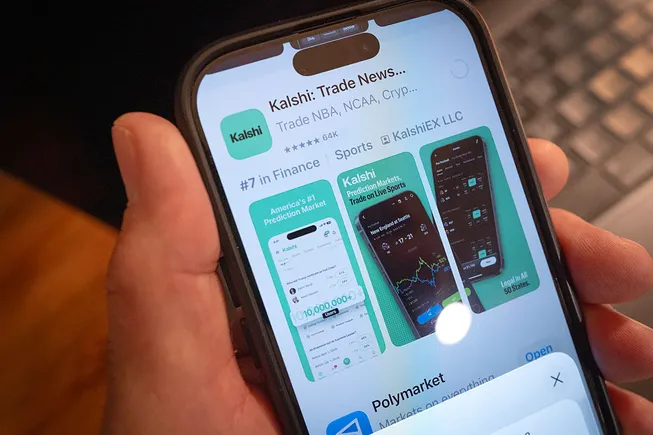
Online betting company Kalshi is expanding its business from elections and sports events to a new frontier of prediction markets: drug development.
The company launched a pilot program this month allowing users to bet on clinical trial results, FDA regulatory decisions, and drug approvals for companies like Sanofi and Gilead Sciences. Unlike traditional sportsbooks, Kalshi operates as an exchange regulated by the Commodity Futures Trading Commission (CFTC), where users buy and sell contracts related to the probability of future events occurring. Kalshi's platform, developed in partnership with tech company AppliedXL, allows users to bet on almost any event, from the status of the Strait of Hormuz to the results of upcoming midterm elections.
In the biotech sector, Kalshi believes prediction markets can bring greater transparency to the drug approval process by generating "continuously updated" public estimates of drug success likelihood. However, Kalshi's entry into this field has drawn criticism from drug development professionals and analysts who argue that tying financial incentives to clinical milestones could create more problems than it solves.
"If markets are built around clinical trial results, it raises obvious questions about incentives and potential abuse," said Kimberly Ha, founder and CEO of KKH Advisors.
Supporters see transparency, critics see risk
Kalshi's idea of combining drug development with prediction markets has gained some influential supporters, including CFTC Chairman Mike Selig. Selig told Punchbowl News in March that he sees value in allowing patients to use prediction markets to "manage potential risks of future treatments or medical costs."
Kalshi CEO Tarek Mansour says the main benefit is not in users' financial gains, but in allowing information to flow more freely.
"Drug development is one of the most important and information-restricted industries in the world," Mansour said in a statement.
While banks, pharmaceutical companies, and experts have developed internal estimates of drug success likelihood, Kalshi argues these assessments typically remain private. A public prediction market would generate probabilities that update as new information emerges—keeping investors, companies, clinicians, and patients informed in real time.
"Revealing information is Kalshi's mission, and we are committed to doing it right: compliance-first, carefully scoped, and long-term oriented," the CEO said.
"What could go wrong?" Ha joked, before listing a long series of potential problems, including insider trading, increased misinformation spread, and market manipulation risks. Ha noted that the ability to bet on drug approvals could also further erode public trust in the FDA.
But according to Kalshi, the pilot includes multiple safeguards. Contracts will be limited to late-stage trials with publicly defined primary endpoints, will only be listed after enrollment concludes to avoid influencing patient recruitment, and will require employment verification to reduce insider trading risks.
These safeguards may actually make the program less impactful for Kalshi's transparency goals. By limiting contracts to late-stage trials, the market will focus on well-funded and potentially widely watched programs, rather than early-stage research—where less information is available about the drug.
Kalshi acknowledged this in its roadmap, stating that "the initial scope is a sequencing choice, not a permanent limitation. When resolution frameworks for early reads are validated, early-stage trials with clear endpoints will be added. When manipulation monitoring infrastructure is sufficiently robust, small-cap programs will be added."
Industry opposition grows
But according to David Tsai, Associate Director of Project Management and Clinical Operations at Scribe Therapeutics, these guardrails may not be enough. Tsai has publicly opposed drug development betting. He notes that a typical multicenter study may involve manufacturers, couriers, and clinical site staff spread across more than 10 locations. According to Tsai, a single trial "can easily involve over 100 people," many of whom may influence how the study is conducted yet are not bound by existing trading restrictions.
He added that the market could also increase incentives to obtain or leak non-public clinical trial information, and encourage coordinated misinformation campaigns around key development milestones.
Among the potential consequences, Ha cited increased market manipulation, greater volatility around important clinical and regulatory events, online campaigns discouraging eligible patients from enrolling in trials, and erosion of public trust in clinical research.
These concerns and others are echoed in a Change.org petition initiated by Tsai, which calls for banning prediction market gambling on clinical trial results. The petition argues that turning clinical milestones into betting events introduces "systemic moral hazard," which could undermine confidence in clinical data and damage trust between biotech companies and patient communities.
The petition calls on regulators to establish rules preventing speculative betting on clinical trial results. Since its launch on July 16, the petition has so far garnered fewer than 200 signatures.
Meanwhile, enthusiasm for prediction markets is broadly rising as Kalshi and its competitors expand into new areas. The company added 3 million monthly users during the recent World Cup alone.
Still, there are signs that Kalshi's expansion efforts will not go entirely unchecked.
The company recently explored contracts related to airport flight cancellations but paused the effort after concerns that users might try to influence outcomes. Its biotech initiative now poses a similar question to the life sciences industry: Can prediction markets generate useful public information about drug development without creating incentives to influence the events being predicted?