
After Weight-Loss Collaboration with Novo Nordisk, Omega's New Business Head Seeks More Partners
Omega Therapeutics' new Chief Business Officer, Kaan Certel, said that after completing the weight-loss drug collaboration with Novo Nordisk, the company is actively seeking new partners. Certel emphasized that the interest of large pharmaceutical companies in the platform validates its technological approach, and the reprioritization of pipelines within the industry has created opportunities for small biotech companies.
Biotech companies under Flagship Pioneering often attract media and investor attention. When a venture-incubated biotech secures a partnership with a large pharma in emerging areas like weight loss—as Omega Therapeutics recently did—its industry profile rises further.
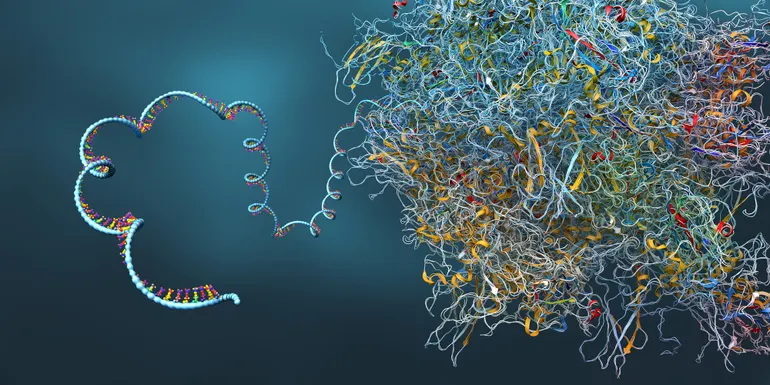
Omega Therapeutics' epigenomic platform aims to design mRNA drugs that can regulate gene expression to treat a range of indications, including diseases traditionally considered undruggable. Since its founding in 2019, its clinical pipeline has focused mainly on oncology and immunology. However, earlier this year, the company announced it is developing anundisclosed novel weight-loss therapy。
with Novo Nordisk. Under the terms of the agreement, Novo Nordisk will cover research costs and select a target designed to enhance metabolic activity to advance into clinical development. Omega and Pioneering Medicines, the drug discovery and development arm of its parent Flagship, will receive up to$532 millionin upfront payments, milestones, and royalties. This collaboration is significant for Omega and may signal the company's long-term strategic direction.
Against this backdrop,Kaan Certeljoined Omega in late May as chief business officer, focusing on building new partnerships for the company.
"The interest of large partners in our platform validates the value of our technology approach to the rest of the industry," Certel said.

Certel previously served as chief business officer at BioCity Biopharma, a biotech developing oncology and chronic kidney disease assets. Earlier, he was global head of oncology external innovation at Sanofi, leading multiple strategic collaborations. Certel said his time at Sanofi helped him deeply understand the commercial and scientific value needed to build effective partnerships. His network and knowledge of large pharma's internal governance processes also guide his deal-making strategy.
"In short, understanding how big pharma works internally lets small biotechs knock on the right doors," he said.
Certel joins Omega at a pivotal moment. In March, Omega announced a cost-cutting plan to reduce35% of its workforceto extend its cash runway into 2025. The company said the plan aims to "focus" on clinical data generation for its lead candidateOTX-2002, currently in early-stage clinical trials for hepatocellular carcinoma and other solid tumors linked to the c-MYC gene.
Below is PharmaVoice's conversation with Certel, covering his priorities at Omega, recovery strategy after layoffs, and what makes an ideal strategic partner.
This interview has been edited for length and style.
PharmaVoice: What are your priorities in your new role?
Kaan Certel:The core responsibilities are in-licensing, out-licensing, and establishing potential collaborations for early- or late-stage programs. In these collaborations, potential partners contribute their expertise, while Omega contributes our platform technology.
How do you view the current environment for finding new partners?
I see broad interest in collaboration across multiple therapeutic areas. Oncology remains strong, but there is also great enthusiasm for immuno-inflammatory areas and cardiometabolic. With the ongoing discovery of new targets and novel biology today, the field is very active.
All companies, including large pharma, are reprioritizing and repositioning their pipelines, which creates ample opportunities for small biotechs to step in and help.
Can you talk about the weight-loss candidate with Novo Nordisk?
That deal was completed just before I joined Omega and is an early-stage, target-based collaboration. The target is not yet public... but we are very excited because it is novel biology, and we can show externally that our technology is not limited to a single therapeutic area but can be applied across multiple fields, even challenging ones like cardiometabolic.
Omega is not a pure oncology company, nor a cardiometabolic company or immuno-inflammatory company. We have a very strong platform and deep know-how built around it. We will support partners with our technology and platform to help them tackle targets they know are highly disease-relevant but hard to drug.
What does an ideal partner look like for Omega?
We want to apply our technology to novel biology and challenging targets. We have the ability to target transcription factors that are difficult for traditional drug modalities. So, partners who are committed to innovation, have validated potent targets, and seek a drugging approach would be ideal for us. We also want to learn from them on the scientific and commercial side.
An additional advantage we bring is our network and our ability to articulate the value of our technology to other potential partners, getting them to understand and be excited about what we offer.
What is Omega's recovery strategy after the layoffs? Are you involved in reprioritization?
From a financing perspective, this is a challenging period for all biotech companies. Omega's strength is that management knows how to navigate these tough times. We are confident in our platform and focused on expanding its capabilities, working with innovators to turn our platform into a "pharmaceutical machine."
I want to emphasize again the experience of leadership—not just in weathering the storm, but in retaining talent and maintaining momentum in difficult times. If you visit Omega today and walk the halls, you will feel the enthusiasm of the people and their strong belief in the platform. As we build more partnerships, this will clearly add further momentum to the company's future growth.