
Former CEO's Account: The Path of Biotech Entrepreneurship Is Not All 'Rainbows and Unicorns'
After experiencing layoffs and terminated partnerships, SQZ Biotech founder and former CEO Armon Sharei shares his decade-long entrepreneurial insights, emphasizing the practical difficulties and future hopes in the biotech field.
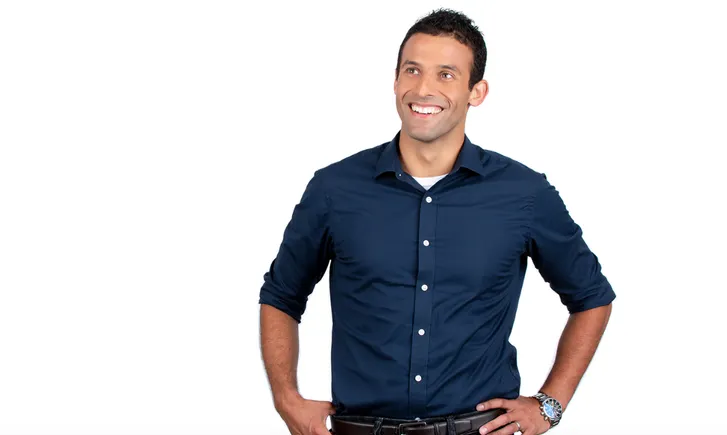
In the fiercely competitive world of biotech startups, success can be fleeting—even with the most promising scientific concepts, boundless passion for potential breakthroughs, and the strong backing of one of the world's largest pharmaceutical companies, nothing is guaranteed.
But for Armon Sharei, founder and former CEO of SQZ Biotech, the road continues even after months of setbacks. Late last year, SQZ cut 60% of its staff, and Sharei stepped down from his leadership role. Then in July, under new management, the company lost the support of pharmaceutical partner Roche, which chose not to advance the biotech's HPV-positive solid tumor program—a project that had been the company's new priority during the restructuring.
Despite the turbulence, the former CEO who founded SQZ at age 27 a decade ago and commercialized a cell therapy tool developed at MIT has not lost hope. In fact, his optimism about the future of cell therapy and the broader biotech industry is infectious.
Since leaving SQZ, Sharei (a 2022 PharmaVoice 100 honoree) is working on "something new in the cell therapy space," though he's tight-lipped about it. Perhaps most importantly, he has accumulated a wealth of knowledge about biotech investing, the needs of growing companies, and how personal priorities in science and life intersect with successful organizations.
Sharei is candid about sharing the lessons he's learned along the way—lessons he plans to bring into his next entrepreneurial venture.
"If you don't wear a suit and don't have pharma credentials, investors worry you might crash the car."
—Armon Sharei, founder and former CEO of SQZ Biotech
A rocky start
When Sharei founded SQZ, it was a cell therapy tools company that grew directly out of his graduate work at MIT. The idea: squeeze cells through a narrow channel to create temporary holes in the cell membrane, allowing cargo like genetic material to enter through the openings. Sharei says the concept had potential in a field often constrained by complex manufacturing processes.
"We started from scratch, and the biotech world typically isn't used to or supportive of students fresh out of school running anything," Sharei said. "It's more for people with gray hair and suits, so when we tried to get going, it was hard to be taken seriously."
Investments from MIT professors and even Sharei's parents helped get the company off the ground, but the biotech community still wasn't used to seeing a 27-year-old scientist at the helm.
"As a first-time CEO, there are typical difficulties in building a team, and on top of that, there's the age and image issue in biotech," Sharei said. "As you make progress, it's still quite rare to be in these roles at that age, which makes people wonder if you'll mess up at the next step."
At first, even small details mattered.
"Just getting me into a sport coat was hard—if you don't wear a suit and don't have pharma credentials, investors worry you might crash the car," Sharei said.
But big pharma soon came calling. Roche, based in Switzerland, like many companies of its size, was making major moves in cell therapy and saw potential in SQZ's platform for immuno-oncology. In 2015, Roche entered a partnership with the biotech, with future milestone payments totaling over $500 million. SQZ, still private at the time, also attracted interest from venture firms like Polaris Partners, which supported early funding rounds.
"As these firms got more involved, it helped with the 'oh, others think this is cool' validation," Sharei said. "As for getting Roche involved, it felt like 'now there's an adult who thinks this is a good idea,' and more people started paying attention."
Scaling up
With Roche's backing, SQZ's young team gained momentum, and they decided to also expand the tool's capabilities in internal programs—but the decision of whether to hand new projects to Roche or develop them independently caused some division within SQZ, Sharei said. Ultimately, this led to a larger deal with the pharma giant, with potential milestone payments totaling over $1 billion.
"It's a trade-off—do you want to partner with someone who brings experience and firepower, or do you want to optimize long-term economic benefits?" Sharei said. "In the end, we thought it was better to do it together."
In 2020, SQZ went public with a $71 million IPO, which Sharei called a difficult decision.
"You reach a stage where the private markets can no longer support you—you've outgrown what VCs can do, and their incentives change in later rounds," Sharei said. "So, with few exceptions, you have to go public or be acquired."
The IPO ultimately turned out to be a blessing, but new challenges for the young entrepreneur soon followed.
"For scientists, I'd say, be careful what you wish for, because sometimes it can be painful—it's not all rainbows and unicorns."
—Armon Sharei, founder and former CEO of SQZ Biotech
Growing tensions
For first-time CEOs, the strain of running a biotech company begins to show when the founder's vision gives way to short-term profits, Sharei said.
"Internally at SQZ, there was always a tension between being more of a platform company versus more of a therapeutic product company, and clearly we chose to focus mainly on therapeutics," Sharei said, referring to the company's focus on clinical programs rather than a platform model of partnering with other companies to develop cell therapies. "Given SQZ's broad potential, there was ongoing debate about whether to restart the platform business—I was very supportive of opening up the technology platform, even though it would be challenging."
Eventually, as differing visions intertwined with a cash runway that would only last until the fourth quarter of this year, SQZ was forced to cut more than half its staff, and Sharei left the company. The company also prioritized its program developing cell therapies for HPV 16-positive solid tumors using SQZ's technology.
In July, SQZ was delisted from the New York Stock Exchange, followed by Roche's decision not to continue the collaboration around the new priority program. The biotech said in a statement that the program targeting antigen-presenting cells would continue with early-stage trials, but without the pharma's support, the cash-strapped company would bear full responsibility for development and commercialization on its own.
Sharei doesn't regret the journey from scientist to CEO—even the final stretch. But he says anyone considering that path needs to love what they do.
"Learning all this in such a short time isn't easy, and that's one reason I think many people don't succeed," Sharei said. "For scientists, I'd say, be careful what you wish for, because sometimes it can be painful—it's not all rainbows and unicorns."
This sobering experience hasn't dampened Sharei's enthusiasm for the biotech world and the future of cell therapy, and he intends to continue in this field. Most importantly, he encourages young entrepreneurs to take risks, because he believes they have the ability to bring important changes and progress to the field.
"I think cell therapy has enormous potential—cells are like little machines that can do far more than any small molecule or biologic, and what we really need is to push some therapies to the next generation," Sharei said. "Right now, they're in the Stone Age—bulky, expensive, and time-consuming to manufacture. But none of that is inevitable."
