
The Multiple 'Myths' of Clinical Trial Diversity and Genentech's Breakthrough Battle
Genentech's Chief Diversity Officer Quita Highsmith points out that there are multiple myths about clinical trial diversity and introduces how the company, through studies like Chimes, has proven that engaging diverse patients does not compromise scientific rigor.
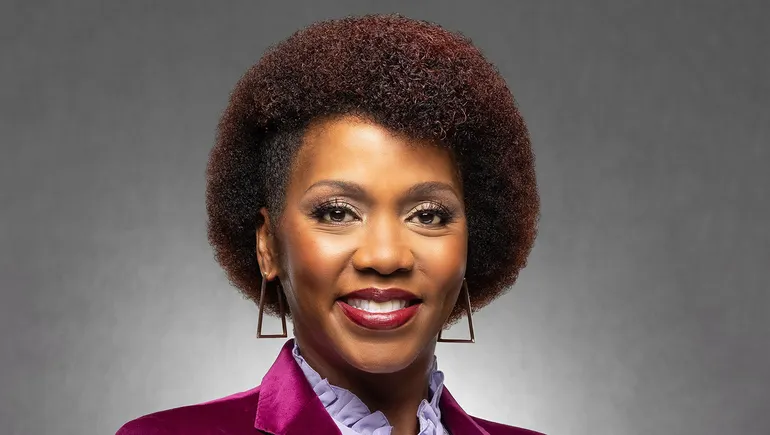
Among the many misconceptions circulating about clinical trial diversity, the idea that "people of color are unwilling to participate in drug research" is viewed by Genentech Vice President and Chief Diversity Officer Quita Highsmith as one of the most harmful.
Following aglobal studyconducted by the biotech giant during the COVID-19 pandemic, which enrolled a majority of Black and Hispanic patients, Genentech's latest initiative in clinical diversity is aclinical trial specifically targeting multiple sclerosis (MS) patients in these communities. Genentech markets the blockbuster MS drug Ocrevus.
Highsmith, a PharmaVoice 100 honoree, said the trial, called Chimes, has made breakthrough progress, proving that engaging diverse patients does not compromise science. According to the company, Black and Hispanic patients account for nearly 20% of the MS patient population, but their representation in clinical research is often far lower.
Highsmith noted that the problem is that trials have historically not been designed to meet the needs of these communities. Therefore, when trials like Chimes can align with patients' real-life circumstances and find common ground with advocacy groups and clinical researchers, patients can receive more equitable care.
"The issue is not about doing things differently—it's about doing different things. If we continue with the status quo, we won't have the opportunity to treat patients who have been medically disenfranchised."
—Quita Highsmith, Vice President and Chief Diversity Officer at Genentech
At a time when diversity initiatives in corporate, educational, and healthcare systems are facing growingpolitical backlash, Highsmith says questioning the status quo has become even more important.
Here, Highsmith discusses the myths surrounding the lack of diversity in clinical trials, how collaboration can help the biopharmaceutical industry drive change, and how health equity transcends political posturing.
This interview has been edited for length and style.
PHARMAVOICE: In your view, what is the biggest challenge to clinical trial diversity?
QUITA HIGHSMITH:There are many myths. One is that patients of color are unwilling to participate in clinical research. Another is that if they do participate, it will slow down the research and prevent products from reaching the market on time. A third is that patients won't be compliant. These myths have led to their exclusion and low participation rates. But our research shows that when people of color are invited to participate, they participate at the same rates as other populations. They want to be part of the solution. When we chose to set up trial sites in areas with high medical need and where the population can represent patients of color, we found that these sites enrolled Black and Hispanic patients twice as fast as other sites in the same studies. If you go to where patients are and invite them, they will participate.
These myths seem to stem from many false assumptions. Can you talk about how to break down these assumptions?
During the pandemic, we conducted a study called Empacta for hospitalized COVID-19 patients, where 85% of the study participants came from communities of color. What we learned is that if you proactively reach out to patients, they will participate. If you work with trial sites—even if they have never worked with us on clinical research before—they are willing to overcome barriers with you, allowing you to obtain a real-world patient population rather than a "fairy-tale" population.
Then, when we looked at the unmet medical needs in multiple sclerosis, we applied the lessons learned from the COVID study and launched the Chimes study. The scientific question we wanted to address is that many people believe MS is a disease affecting white women. But what we know is that epidemiological data show that Black and Hispanic patients are disproportionately affected by MS, yet are diagnosed later. So, in collaboration with the community and the study's lead author, Dr. Mitzi Williams, a neurologist in Atlanta, we were able to enroll and retain these patients ahead of schedule. We found that the safety and efficacy were completely consistent with the general population, which has reassured institutions that including real-world patients in clinical research can yield similar results.
Given these data gaps, how are Genentech and other companies in the industry using technology to improve patient diversity?
Actually, one of the areas I worry about is artificial intelligence. The reason is that if we look at whole-genome sequencing databases, they lack diversity. There is very little data from Africa—less than 1%. When we consider using AI algorithms to make treatment decisions, and that algorithm lacks data from people of color, we must be very vigilant not to repeat the mistakes of the past. We are being very proactive in ensuring that the datasets we use are representative. One thing that excites me is the FDA's comprehensive legislation requiring all Phase III programs to submit diversity action plans when considering approval. This ripple effect from regulators will drive more opportunities to ensure that patients actually enter clinical trials.
Do you think Genentech's efforts in the Empacta and Chimes studies give the company an advantage in responding to these action plans?
We have been advancing inclusive research since 2017. When we think about what we have done differently, we consider trial site recruitment strategies and how we engage with patient advocacy organizations and clinical research organizations. We have also now introduced unconscious bias training to ensure the effectiveness of our research. I do feel we are better prepared to take these steps. We have been writing articles and sharing our experiences because we don't want to keep secrets. We are trying to drive social change, and as pioneers in the biotech industry, we have a responsibility to lead the way.
Is there more room for collaboration in these efforts?
Absolutely. We all need to generate evidence, and many startup biotech companies will use our blueprint because they don't have the same resources. When we succeed at something, it creates a ripple effect across the industry.
In this era of political division, there is a lot of backlash against diversity efforts. How do you advance health equity and diversity without getting caught up in political strife?
We believe in a world where everyone has access to the highest quality healthcare, and the work we do is to ensure that more people are included and that everyone receives fairer treatment. Would anyone criticize those who want to ensure that sick patients have the opportunity to receive treatment? We are not thinking about the politics of health equity; we are thinking about how to ensure that all patients have access to innovative clinical therapies and that no patient is left behind.
We are also not blaming patients of color for lacking medical opportunities—we are thinking about practical solutions that address people's concerns. The issue is not about doing things differently—it's about doing different things. If we continue with the status quo, we won't have the opportunity to treat patients who have been medically disenfranchised. I have a motto: treat every patient as if they were your own mother. If we do that, we will surely find solutions.
