
Q&A
Eli Lilly leverages large pharma advantages to support emerging biotech companies
Leveraging its market-leading position, Eli Lilly and Company provides R&D support, resource connections, and strategic collaborations to biotech startups through the ExploR&D program, helping them overcome funding difficulties and accelerate the translation of scientific discoveries into medicines. The program, which evolved from the Chorus unit in 2002, has established over 90 collaborations with more than 65 biotech companies and has expanded into the Catalyze360 ecosystem, including Gateway Labs and Lilly Ventures.
BeOne, with Brukinsa, tops the blood cancer field—can it achieve further glory?
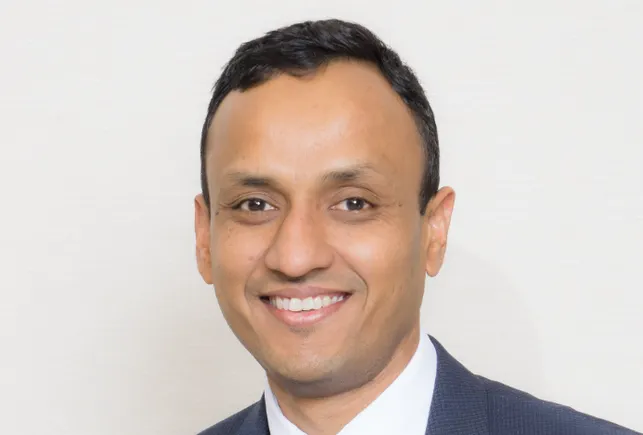
BeOne's blockbuster drug Brukinsa has performed strongly in the blood cancer market, surpassing competitors in both clinical trials and sales. The company is advancing next-generation therapies such as sonrotoclax and accumulating long-term data, with the goal of providing functional cures for patients. This article is an excerpt from an interview with Dr. Amit Agarwal, Chief Medical Officer of Hematology at BeOne.
After a lackluster first drug launch, a new CEO is finding Geron’s commercial footing
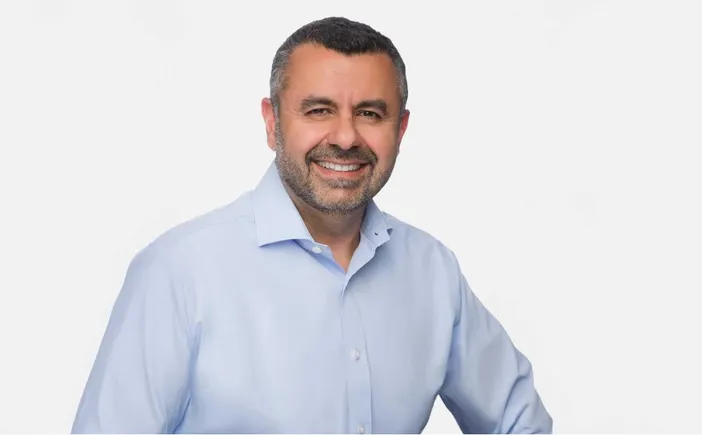
Rytelo, Geron's first telomerase inhibitor developed over 33 years, saw sales fall short of expectations in the early period after receiving FDA approval. New CEO Harout Semerjian, who took office in August 2025, is working to reverse the unfavorable commercial start by strengthening physician education and community outreach.
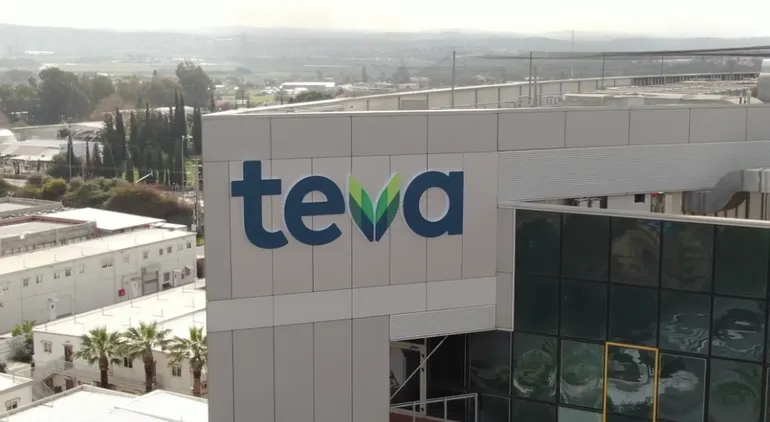
Generic drug giant Teva embraces innovation with a 'mindset shift', moving beyond the shadow of M&A
Teva Pharmaceuticals once fell into trouble after acquiring Allergan's generics unit Actavis for $40 billion in 2016, forcing it to lay off a quarter of its workforce. Now, under CEO Richard Francis's 'Pivot to Growth' strategy, the company has achieved ten consecutive quarters of growth with innovative drugs at its core, with a pipeline spanning immunology, neuroscience, and other fields. Chief Medical Officer Eric Hughes was interviewed, sharing how the company underwent a mindset shift, transitioning from a generics giant to an innovative pharmaceutical company.

Lilly's Alzheimer's R&D Relies on Updated, Better Biomarkers and Diagnostic Tools
Lilly's progress in Alzheimer's disease is not only reflected in drug approvals, but also in advancing more sensitive and clinically meaningful diagnostic technologies to precisely identify patients and accelerate therapy development. Company executive Dr. Anthony Sireci noted that blood biomarkers such as p-tau217 are approaching a 90% positive predictive value, and emphasized the need to break the "ceiling" of diagnostic adoption to avoid repeating the oncology field's mistake where only 80% of patients underwent genetic subtyping. Lilly is promoting early diagnosis and broader patient coverage through the Lumipulse assay, partner networks, and the LillyDirect platform.

Can a New Alzheimer's Test Pave the Way for Next-Generation Therapies?
The complexity of Alzheimer's diagnosis has long constrained therapeutic breakthroughs. Currently, FDA-approved blood tests primarily rely on amyloid plaque biomarkers, but the disease also involves multiple pathological mechanisms such as tau protein. Veravas' Verabind Tau test, by isolating and measuring activated tau protein in the blood, can identify disease activity before symptoms appear, offering a new tool for clinical trials and patient screening of next-generation targeted therapies.

High Costs of Cell Therapy, Cryopreservation Technology May Be Key to Breakthrough
The cell therapy market faces challenges of cost and scalability, with cryopreservation technology becoming a key breakthrough. Alireza Abazari of BioLife Solutions points out that allogeneic therapies and ice recrystallization technology are expected to reduce expenses, and looks ahead to the prospects of organ banks.
AstraZeneca's Long-Term Lung Cancer Strategy: From Single Mutation to Full-Course Coverage
Since the turbulent launch of Iressa in 2003, AstraZeneca has focused on precision treatment for EGFR mutations, using Tagrisso as a cornerstone, expanding to new drugs like Datroway, and promoting early screening, aiming to treat over half of lung cancer patients by 2030.

Building a DTC Platform: Practice and Insights from a Pharmaceutical Company
Five years ago, Currax Pharmaceuticals CEO George Hampton foresaw changes in the obesity treatment market and built the in-house DTC platform CurAccess, selling Contrave directly to patients at $99 per month. Today, the platform contributes about 65% of Contrave users and drove a 50% year-over-year revenue increase in 2024. This article is a transcript of an interview with Hampton, detailing the challenges of building the platform, lessons learned, and its impact on the industry.