
Q&A
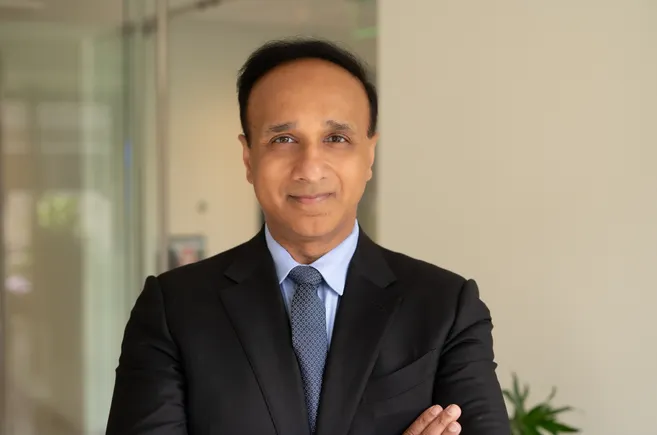
How a senior R&D executive from a major pharmaceutical company stands out in the biotech field as a unique 'drug hunter'
Dr. Mathai Mammen, former head of R&D at Johnson & Johnson, is leading Parabilis Medicines to challenge targets once considered 'undruggable,' establishing a foothold in biotech competition through differentiation and durability.
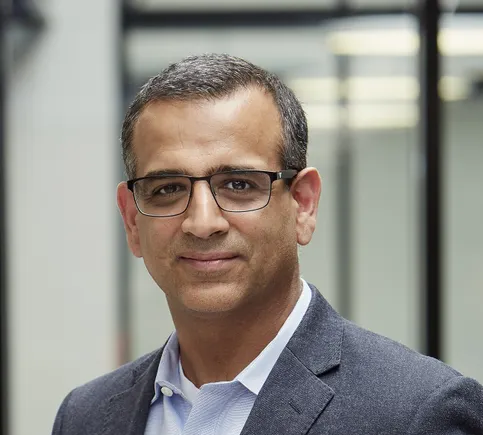
Former Lilly Small Molecule Business Head Joins Emerging Obesity Biotech
Utpal Singh, an executive who calls himself a "drug hunter" on LinkedIn, has moved from Lilly's small molecule business to Zealand Pharma, a biotech focused on peptides, as Chief Scientific Officer. Zealand recently entered into a partnership with Roche valued at up to $5.3 billion to advance its obesity candidate petrelintide. Singh's arrival comes as multiple obesity programs at the company enter critical stages, and he plans to leverage his experience at a large pharma to drive the company's pipeline strategy.
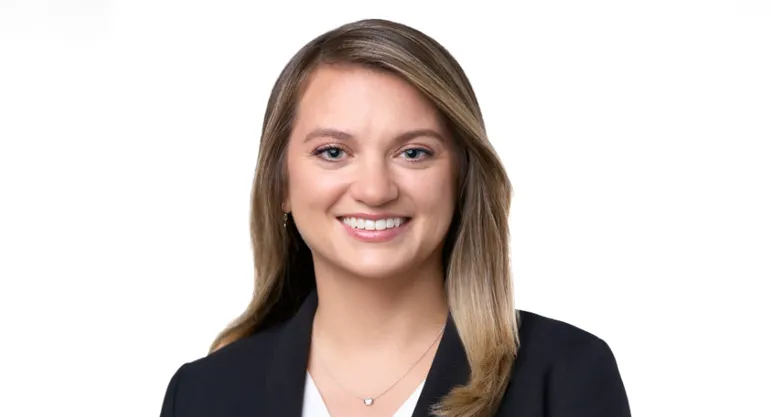
A new CFO tasked with taking ‘scrappy’ Editas from last year’s layoffs into new gene editing territory
Gene editing biotech company Editas Medicine has formally pivoted to in vivo gene editing therapies after undergoing approximately 65% layoffs last year. New Chief Financial Officer Amy Parison took over at the end of March, and she will lead the company's financial strategy under cash constraints while addressing the scientific complexities and political uncertainties in the gene editing field.

Amid NIH Funding Cuts, Can Real-World Evidence Fill the R&D Gap? Atropos Health CEO Decodes Industry Shifts
NIH funding cuts are impacting the decades-old system of drug development funding. Brigham Hyde, CEO of Atropos Health, notes that traditional trials remain the gold standard, but real-world evidence could help fill some gaps. He also warns of funding difficulties facing young researchers and calls for stronger public-private data collaboration.
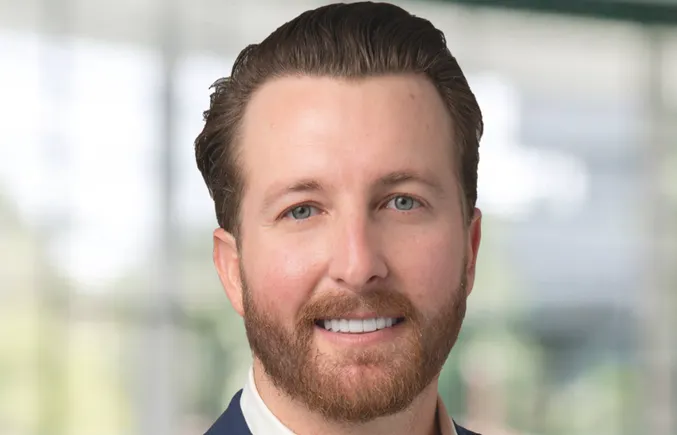
As venture capital tightens, how non-traditional investors are injecting vitality into emerging biotech companies
The biotech industry faces financing challenges, with traditional venture capital becoming more conservative, while non-traditional investors such as family offices and high-net-worth individuals are beginning to fill the funding gap. Diakonos Oncology's COO Jay Hartenbach explains the drivers of this shift, the risk appetite of non-traditional investors, and its impact on industry innovation.
Roche Partners with Zealand Pharma on Weight-Loss Drug, Challenging GLP-1 Dominance
Roche has reached a $1.65 billion licensing agreement with Zealand Pharma for the amylin analog petrelintide, which aims to provide weight-loss effects comparable to GLP-1 but with fewer side effects. The total deal value could reach $5.3 billion, making it the largest weight-loss drug deal to date.

AI M&A Wave Surges: Recursion and Exscientia Merger Signals New Landscape of Industry Consolidation
Amid a surge in AI M&A deals, the merger of Recursion Pharmaceuticals and Exscientia, valued at approximately $700 million, has become the largest AI acquisition in the life sciences field to date. Recursion CFO Ben Taylor believes that integrating AI companies into traditional drug development processes requires creative thinking and full commitment. The merged company has 10 pipeline programs and has established collaborations with major pharmaceutical companies such as Sanofi and Roche. Taylor shared insights on the disruptive impact of AI in biopharma, considerations for partnerships versus acquisitions, and challenges in big data applications.

Lilly’s former M&A chief scours the landscape for potential deals as Immunocore’s new CFO
Immunocore's new CFO and head of corporate development, Travis Coy, previously led M&A at Eli Lilly. He is leveraging his big pharma experience to seek partnerships and acquisition opportunities for this mid-sized biotech with a blockbuster melanoma drug and a deep immunotherapy pipeline.
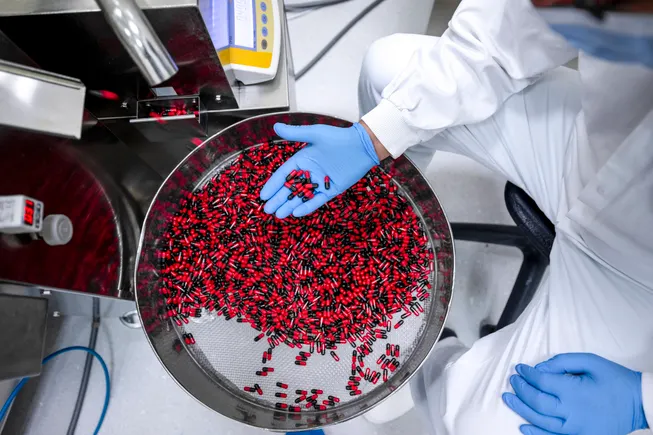
Merck and Lilly Join Forces with Purdue University to Establish a Pharmaceutical Manufacturing R&D Alliance to Strengthen U.S. Domestic Capacity
Lilly and Merck, in partnership with Purdue University, have established the Young Institute Pharmaceutical Manufacturing Alliance, focusing on the development of new technologies such as aseptic processing, aiming to promote the reshoring of U.S. pharmaceutical production and address tariff challenges.
Beyond GLP-1s? This biotech is exploring longer-term metabolic treatments
Fractyl Health recently announced a strategic shift, focusing on the weight maintenance market after discontinuation of GLP-1 drugs. Its core product Revita has received FDA Breakthrough Device Designation, and the company plans to initiate the first-in-human study of its gene therapy RJVA-001 in 2025.